
Table of Contents
- What to Look for in Beauty Products for Glowing Skin
- Building a Glow-Boosting Skincare Routine
- Why Vitamin C Serum for Glowing Skin Belongs in Your Routine
- Korean Glass Skin Products: What They Are and How to Use Them
- Exfoliating Products for Brighter Skin: How Often and Which Type
- Matching Products to Your Skin Type and Sensitivity
- Common Mistakes That Sabotage Your Glow
- Frequently Asked Questions
Last Updated: October 13, 2026
What to Look for in Beauty Products for Glowing Skin
The best beauty products for glowing skin are not the ones that promise instant radiance. They support your skin barrier over weeks, not hours.
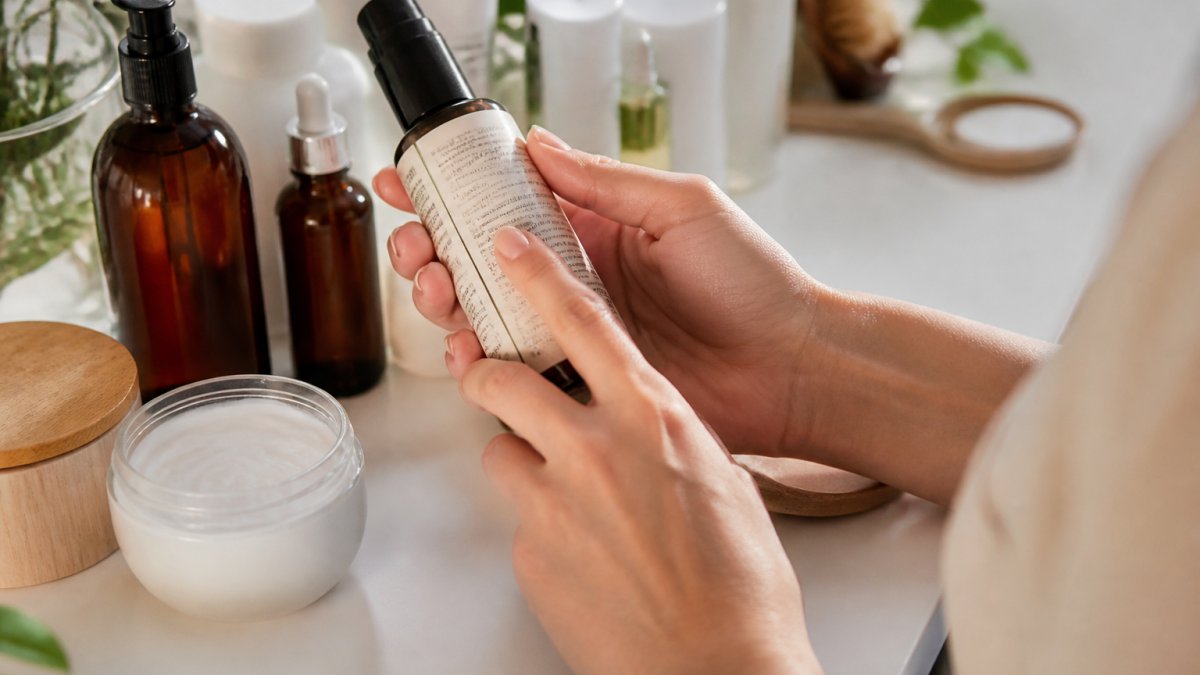
Glowing skin is the visible result of a healthy moisture barrier, steady cell turnover, and consistent protection from UV damage. You build it through daily habits, not single purchases.
Hydration vs. Brightening: Two Paths to Radiance
Hydration and brightening solve different problems, and mixing them up wastes money. Hydrating products pull water into the skin for a plump, dewy finish; brightening products target dullness, uneven tone, and dark spots from old breakouts or sun exposure.
Most people need both, but not at the same time of day. Layering a strong brightening acid in the morning often leaves skin red by noon.
Ingredients That Support a Natural Glow
A short list beats a long one. These ingredients have the longest track record:
- Hyaluronic acid for drawing in and holding moisture
- Niacinamide for supporting the barrier and evening out tone
- Peptides for firmness and a smoother surface
The American Academy of Dermatology's guidance on skin care routines is a solid starting point if you want dermatologist-reviewed basics.
Building a Glow-Boosting Skincare Routine
A glow-boosting skincare routine is a fixed sequence you repeat twice a day, not a shelf of products you rotate by mood. Order matters more than brand: thin textures first, thick last, sunscreen always closing the morning.
Morning Steps for a Dewy Finish
Keep the morning to four steps: cleanse gently, apply an antioxidant serum, seal with a lightweight moisturizer, then finish with SPF. Every extra layer adds risk of pilling under makeup.
If you want a fast, visible lift before you leave the house, a multi-use balm like our Dewy Pink Blush Stick adds a glowy finish to cheeks and lips in seconds.

Evening Rituals to Restore and Repair
Night is when repair happens. Remove sunscreen and makeup properly, then apply your treatment step, retinol, an exfoliating acid, or a hydrating serum, and finish with a richer moisturizer. Alternate actives rather than stacking them: retinol one night, exfoliation the next, hydration in between.
Why Vitamin C Serum for Glowing Skin Belongs in Your Routine
Vitamin C serum for glowing skin works because it does two jobs at once: it brightens existing dullness and defends against the daily oxidative stress that causes new dullness.
Buy in small bottles, store them away from direct sun, and expect results in eight to twelve weeks, not days. If your skin is sensitive, start with a lower concentration every other morning and build up.
Korean Glass Skin Products: What They Are and How to Use Them
Korean glass skin products focus on layering lightweight hydration until skin looks smooth and translucent. The look comes from moisture and gentle exfoliation, not heavy coverage.
The classic approach is thin layers: essence, then serum, then a light moisturizer, each patted in while the previous layer is still slightly damp.
This method suits dry and normal skin best.
Exfoliating Products for Brighter Skin: How Often and Which Type
Exfoliation separates dull, rough-looking skin from skin that reflects light evenly.
There are two families of exfoliants, and they behave very differently.
Chemical exfoliants use acids to dissolve the glue (desmosomes) holding dead cells together. They are more predictable and gentler than scrubs when used correctly:
- Glycolic acid, the smallest AHA molecule, so it penetrates fastest. Good for surface brightness, but the most likely to sting on sensitive or dry skin.
- Lactic acid, a larger AHA that also attracts water. A better starting point for dry or reactive skin.
- Mandelic acid, the largest common AHA, which means slower, gentler penetration. Often recommended for sensitive or darker skin tones because it carries a lower risk of post-inflammatory hyperpigmentation.
Physical exfoliants use particles, sugar, jojoba beads, silica, to buff cells away. They work but are harder to control: too much pressure or a coarse scrub creates micro-tears that leave skin red and compromised.
How Often Is Actually Right
Frequency is where nearly everyone overdoes it. Two or three times a week is enough for most skin types, and some do better with once a week. Daily exfoliation strips the barrier, causing flaking, redness, and, ironically, more dullness, because a damaged barrier cannot hold water.
| Skin Type | Best-Fit Exfoliant | Starting Frequency | Watch Out For |
|---|---|---|---|
| Dry | Lactic or mandelic acid | Once a week | Stinging, tightness after use |
| Sensitive | PHA (gluconolactone) or mandelic acid | Once a week, or every 10 days | Any burning, not just tingling |
| Normal | Glycolic or lactic acid | 2x per week | Overuse creeping up over time |
| Oily / acne-prone | Salicylic acid | 2-3x per week | Dryness on cheeks and jaw |
| Combination | Gentle AHA (lactic) | 2x per week | Irritation concentrated on cheeks |
How to Tell You Are Over-Exfoliating
A common pattern is skin that looks great for two weeks, then turns shiny, tight, and reactive. Warning signs:
- Stinging when you apply a moisturizer that used to feel neutral
- Flaking that appears in patches rather than evenly
- New redness or small bumps along the cheeks and jaw
If any show up, stop all exfoliants and actives for 7-10 days. Cleanse gently, moisturize, and use sunscreen. Most barriers settle within a week to ten days; then reintroduce one exfoliant at a lower frequency.
How to Layer Exfoliants Safely
- Do not use an AHA or BHA on the same night as retinol. Pick one.
- Do not stack two different acids in one routine. One acid, one frequency.
- Apply to clean, dry skin, then follow with a hydrating serum and moisturizer.
If your skin is new to acids, start with a PHA or lactic acid at the lowest concentration you can find, once a week, for a full month before increasing. Slow ramp-up is the single biggest predictor of whether exfoliation helps or hurts.
24K Gold Sakura Tear-Off Peel Mask – Spa Night Facial Treat →
Exfoliation supports glow by clearing the surface so light reflects evenly, but only when the barrier underneath stays intact. Less, done consistently, beats more, done aggressively.
Matching Products to Your Skin Type and Sensitivity
Skin type decides which textures and actives you should buy, and this is the step most product roundups skip. A serum that transforms a dry face can wreck a reactive one. The goal is not the "best" product in the abstract, but the one that fits the skin you actually have. Here is how we would sort it.
Dry Skin
Dry skin lacks oil, so it also struggles to hold water. Look for non-foaming cream or oil cleansers, hyaluronic acid or glycerin serums, and moisturizers with ceramides, squalane, or shea butter. Lactic acid is the friendliest exfoliant because it also hydrates. Avoid foaming cleansers and high-percentage glycolic acid, which strip what little oil you have.
Oily Skin
Oily skin produces plenty of oil but can still be dehydrated. Gel cleansers, niacinamide serums, and lightweight lotions or gel-creams work best. Salicylic acid is the right exfoliant because it is oil-soluble and gets into the pore. Skip heavy creams and occlusives, which can trap oil and trigger breakouts. Do not over-cleanse, stripping oil triggers more oil production.
Combination Skin
Combination skin usually means an oily T-zone and drier cheeks. Gel-cream textures and niacinamide suit both areas. Exfoliate with a gentle AHA twice a week, and if cheeks get irritated, apply the acid only to the T-zone. Zone your products instead of forcing one texture everywhere.
Sensitive Skin
Sensitive skin reacts to fragrance, essential oils, alcohol, and sometimes actives themselves. Choose fragrance-free formulas, stick to peptides and gentle hydrators, and use no more than one active at a time. Patch test everything; if a product stings rather than tingles, wash it off.
Acne-Prone Skin
Acne-prone skin needs non-comedogenic formulas that address both breakouts and the marks they leave. Niacinamide helps with oil and tone, salicylic acid clears pores, and azelaic acid is a strong option for acne and post-acne redness. Avoid heavy oils, coconut oil, and shimmer-based "glow" products, which can clog pores without improving skin.
When You Are Both Sensitive and Acne-Prone
This is the hardest combination, and most guides ignore it. Treat the sensitivity first: a compromised barrier makes acne worse, and harsh acne treatments on sensitive skin often backfire. Start with a gentle cleanser, a niacinamide serum, and a light moisturizer. Once the barrier is stable for two to three weeks, add one acne-focused active, azelaic acid is usually safest first, at a low frequency.
How to Patch Test Properly
Patch testing is not optional, and not just for sensitive skin. Here is the method that works:
- Apply a small amount of the new product to a 1-inch area on your jawline or behind your ear.
- Do this once a day for three to five days.
- If you see redness, itching, burning, or new bumps, stop. Do not push through.
- If your skin stays calm, introduce the product to your full face, one new product at a time, spaced a week apart.
Introducing one product per week is the only way to know which product caused a reaction if one shows up.
A Note on "Glow" Products and Skin Type
Many products marketed for glow rely on shimmer, mica, or reflective particles. They can look great on any skin type but do not improve skin, they sit on top of it. For lasting radiance, prioritize skincare that supports hydration and turnover, and treat shimmer as a finishing touch. On acne-prone or sensitive skin, check that any glow product is labeled non-comedogenic and fragrance-free.
If you are unsure of your skin type, wash your face, wait one hour without applying anything, and press a blotting paper to your forehead, cheeks, and chin. Oil on all three means oily. Oil only on the forehead and nose means combination. No oil and a tight feeling means dry. Tightness plus redness or stinging means sensitive, treat that first.
Match the product to the skin you have today, not the skin you want. A simple routine built for your actual skin type will outperform an ambitious one built for someone else's.
Common Mistakes That Sabotage Your Glow
The biggest glow killer is inconsistency. Skin responds to repetition, and a routine you follow four days a week will always underperform one you follow daily.
Other frequent errors:
- Skipping sunscreen, which undoes every brightening step you take
- Layering too many actives at once
- Expecting results in under a month
A weekend treatment can support your routine nicely. Our 24K Gold Sakura Tear-Off Peel Mask is an easy add-on for a spa night: apply, wait, peel.

Consistency beats intensity. A simple four-step routine done every day will outshine an elaborate one you abandon by week two.
For broader context on how lifestyle and sun exposure affect skin appearance, the World Health Organization's information on UV radiation and skin is worth reading, along with the FDA's consumer guidance on sunscreen.
Frequently Asked Questions
Which product is best for glowing skin on the face?
There is no single best product because glowing skin depends on your skin type and concerns. A hydrating serum with hyaluronic acid, a vitamin C serum for brightening, and a moisturizer that supports your moisture barrier form the core trio. For an instant dewy finish, a cream blush like the Dewy Pink Blush Stick adds a natural glow to cheeks and lips. Layer products from thinnest to thickest for the best absorption.
What gives Korean glass skin?
Korean glass skin comes from layering lightweight, hydrating products rather than relying on one step. The approach typically includes a gentle cleanser, an essence, a hydrating serum, and a moisturizer, applied in thin layers to build moisture. Ingredients like hyaluronic acid, niacinamide, and peptides support skin hydration and a smooth texture. Consistent use over several weeks, not overnight, is what creates that translucent, reflective look.
How long does it take for skincare products to improve skin radiance?
Most people notice improved hydration and a subtle glow within one to two weeks of consistent use. Brightening ingredients like vitamin C and niacinamide typically show visible results in four to six weeks. Exfoliating products can smooth skin texture within days, but overuse can cause irritation. Give any new routine at least a month before judging results, and introduce one product at a time to track what works.
Which ingredients help skin look brighter and more radiant?
Hyaluronic acid draws moisture into the skin for a plump, dewy look. Niacinamide supports the moisture barrier and evens tone. Vitamin C brightens and protects against environmental stress. Peptides, found in products like the Dewy Pink Blush Stick, support skin firmness. Retinol encourages cell turnover for smoother texture over time. Pair these with daily sunscreen, because UV exposure undoes much of the progress brightening ingredients make.
Building a genuine glow takes patience, the right ingredients for your skin type, and a routine you can actually keep. Lunevia curates beauty, fitness, and fashion pieces designed to make those daily rituals feel considered rather than clinical, from multi-use glow balms to at-home spa treatments. Every pick is chosen to support your skin's natural radiance and your well-being together. Shop now with Lunevia and build a routine that honors both.