
Last Updated: October 27, 2026
Quick Summary
Luxury skincare costs more because of what goes into the formula, how it is tested, how it is packaged, and how it reaches you. The gap comes from concentration, purity, stability, and the money spent proving the formula works.
- Two products can list the same active ingredient and still sit at very different price points.
- A beautiful bottle tells you nothing about formula quality, so judge the formula and the testing.
- Calculate cost per use by dividing a product's price by the number of uses.
- Look for finished-formula testing, not just studies on the raw ingredient.
- Build a budget routine with an affordable cleanser and sunscreen and one splurge treatment.
Table of Contents
- What Actually Drives the Price of Luxury Skincare
- Ingredient Quality, Purity, and Concentration
- Research, Testing, and Manufacturing Standards
- The Hidden Costs: Marketing, Packaging, and Retail Placement
- Luxury Skincare vs Affordable Skincare: Where the Money Goes
- Is Expensive Skincare Worth It? How to Judge Value
- Cost Per Use: The Number Most Shoppers Never Calculate
- How to Build a Skincare Routine on a Budget
- Choosing Your Next Luxury Skincare Purchase
- Frequently Asked Questions
What Actually Drives the Price of Luxury Skincare
Luxury skincare costs more because of what goes into the formula, how it is tested, how it is packaged, and how it reaches you. Two products can list the same active ingredient and still sit at very different price points. The gap comes from concentration, purity, stability, and the money spent proving the formula works.
At Lunevia, we curate beauty products for busy professionals who want to elevate their daily rituals.
Below, we explore factors that can influence skincare prices and ways to compare products.
Ingredient Quality, Purity, and Concentration
If you want to learn more about evaluating beauty claims, see how to verify clean beauty claims.
Research, Testing, and Manufacturing Standards
The FDA's guidance on cosmetic product safety explains how cosmetic safety and labeling are regulated, which is a useful starting point for understanding what brands can and cannot claim.
The Hidden Costs: Marketing, Packaging, and Retail Placement
Watch out: a beautiful bottle tells you nothing about formula quality. Plenty of well-packaged products underdeliver, and plenty of plain ones perform. Judge the formula and the testing, not the box.
Luxury Skincare vs Affordable Skincare: Where the Money Goes
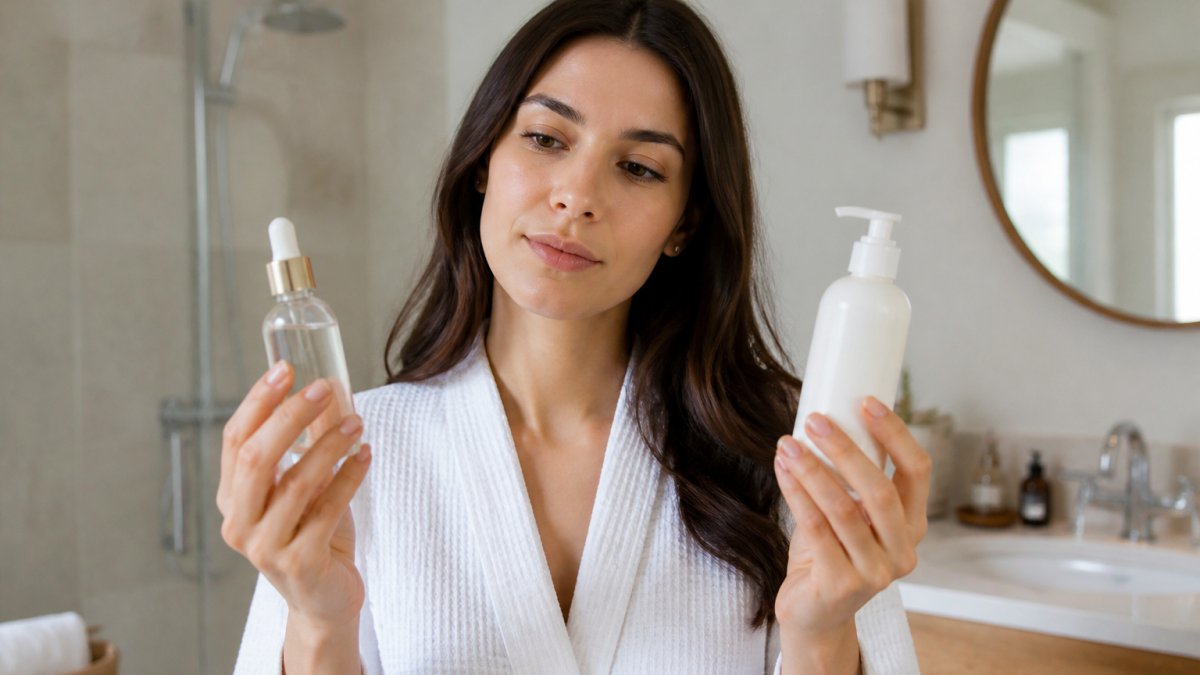
Here is how the two tiers typically allocate their spend:
| Cost Driver | Luxury Skincare | Affordable Skincare |
|---|---|---|
| Active concentration | Higher, clinically studied doses | Lower or unspecified doses |
| Ingredient grade | Premium, tested purity | Standard grade |
| Clinical testing | Often on finished formula | Rarely |
| Packaging | Airless, glass, custom | Standard plastic |
| Marketing and placement | Heavy spend | Lean spend |
| Retail price | High | Low |
Neither column is automatically better. The question is which costs actually reach your skin, so look beyond the table at the mechanisms that drive each cost.
Concentration and dose.
Ingredient grade and purity.
Delivery systems and packaging.
Clinical testing.
Marketing and retail placement.
A note on medical-grade skincare.
For a product example, browse best beauty products for glowing skin.
Is Expensive Skincare Worth It? How to Judge Value
Here are some questions to consider when evaluating skincare claims and price.
24K Gold Sakura Tear-Off Peel Mask – Spa Night Facial Treat →
1. Check the concentration of key actives.
2. Look for finished-formula testing, not just ingredient studies.
3. Evaluate the study design.
4. Read the ingredient list critically.
5. Check for third-party certifications.
6. Consider the cost per use. You can calculate cost per application by dividing a product's price by the number of uses.
7. Ask whether the price reflects the formula or the story.
Use this checklist as a quick screen:
- Does the brand state the concentration of its key active?
- Is there clinical testing on the finished formula, not just the raw ingredient?
- Does the packaging protect the active from light and air?
- Can you find the ingredient list in full before purchase?
- Does the brand explain why the price is what it is?
If you are weighing a specific purchase, browse skincare face masks.
Cost Per Use: The Number Most Shoppers Never Calculate
Cost per use is the retail price divided by the number of applications you get.
You can divide a product's price by its number of uses to calculate cost per use.
How to Build a Skincare Routine on a Budget
- Cleanser: affordable, gentle, fragrance-free
- Treatment: your one splurge, chosen for a specific concern
- Moisturizer: mid-range, focused on barrier support
- Sunscreen: affordable and broad-spectrum, applied daily
If you are short on time, effective skincare for busy working women offers further reading.
Choosing Your Next Luxury Skincare Purchase
Lunevia's 24K Gold Sakura Tear-Off Peel Mask is an at-home spa-night option. Apply it, let it dry, then peel it away for a pampered finish to your skincare night. Patch test before first use and avoid the eye area.
Ready to explore Lunevia's curated collection of fashion, fitness, and beauty products? Shop now.
Frequently Asked Questions
Are luxury skincare ingredients actually more effective than drugstore ones?
Not automatically. A higher price alone does not establish that a skincare product is more effective.
Is expensive skincare worth it, or am I just paying for the brand name?
A higher price alone does not show what accounts for a product's cost. Consider the information the brand provides before deciding whether the price suits you.
How do I build a skincare routine on a budget without wasting money?
You can compare products by calculating cost per use: divide the price by the number of applications.
Why does luxury skincare cost more than drugstore skincare?
The reasons for a skincare product's price can vary, and a higher price alone does not establish its ingredients, testing, packaging, or value.
